Kabita Pariyar
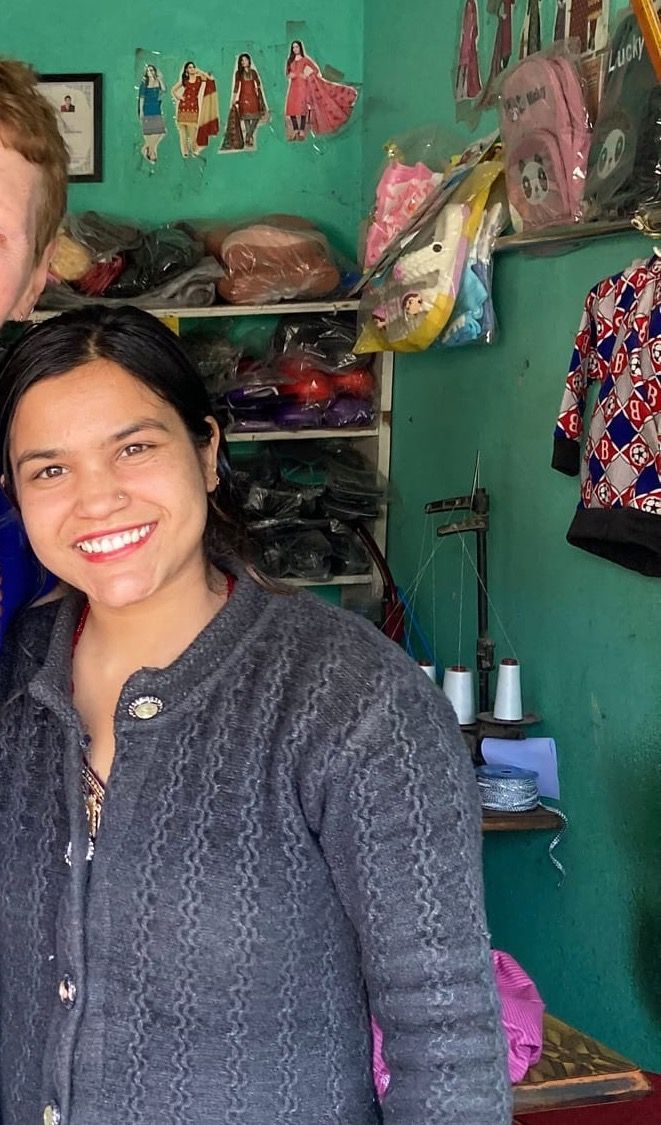
‘A Journey from Discrimination to Dignity’My name is Kabita Pariyar. I am 27 years old and live in Sisneri Tekker Bazaar, a small market along the Kathmandu–Hetauda road, with my husband and our young son, Babu, who is currently in kindergarten.My husband is a tailor, and together we run a small tailoring shop right by the roadside. We belong to a so-called untouchable caste, and for many years, we faced discrimination in nearly every aspect of life — from daily interactions to opportunities for progress.However, life has changed. With self-employment, a stable income, and the unwavering support of NEPAL-ease through our local cooperative, I now live a life of dignity. I feel proud to say that I am becoming a source of inspiration for other women from similar backgrounds. To grow our tailoring business, I took a loan of NPR 100,000 from the cooperative’s special fund, which offers loans at a nominal interest rate. With this support, I was able to purchase additional sewing machines and a variety of fabrics. We now specialize in custom orders, especially for neighboring women, sewing traditional garments like kurta surwal, chaubandi cholo, and petticoats — clothes that hold cultural value and everyday importance. Through honest work and timely delivery, our shop is gaining trust and recognition in the community. Every stitch I sew carries the story of resilience — not just mine, but of many women like me who are rewriting their future.Within the span of one year, I successfully repaid a loan of NPR 100,000, including nominal interest, and was also able to earn a profit of NPR 51,000. Looking ahead, I am considering applying for another loan to expand my sewing shop by adding a wider variety of fabrics and offering more diversified services to my clients, including more women from neighboring communities. In the meantime, as a member of the women's cooperative and a self-reliant entrepreneur, I have observed a significant shift in how people in my neighborhood perceive and treat me. Their attitudes, which were once quite different, have become much more respectful and encouraging. The women’s cooperative also gave me the opportunity to participate in a short orientation program on women's rights and violence against women. This training helped me gain a deeper understanding of the issues women face and the legal avenues available to address such challenges.I would like to express my heartfelt gratitude to NEPAL-ease for its invaluable support, which has played a crucial role in helping me reach this point. Today, I am proud to call myself an independent woman living a life of dignity.